
Private Capital Confronts Its Liquidity Test
Aug. 25, 2026
Private capital markets are entering a period in which operational performance, liquidity management, and investor protection are likely to play a greater role in determining returns, speakers said at the 2026 Swedish House of Finance (SHoF) Annual Conference.

Private capital was built for patience. Investors committed money for years, companies stayed beyond the daily scrutiny of stock markets, and managers waited for the right moment to sell. But patience is becoming harder to sustain.
At the Swedish House of Finance (SHoF) Annual Conference in Stockholm on August 24, investors, policymakers, and academics described a market caught between two competing demands: the need to hold illiquid assets for longer and growing pressure to return cash, offer redemptions, and widen access to individual investors.
Keynote speakers David Scharfstein (Harvard) and Steve Kaplan (Chicago Booth) examined the growth of private credit and the performance of private equity. Their message was not that private capital had run its course, but that its next phase would place greater weight on liquidity, valuations, and operational performance.
When Private Credit Meets a Downturn
Private credit has expanded partly because banks may find it more attractive to finance private credit funds than to lend directly to middle-market companies, Scharfstein said. Lower capital requirements, operating costs, and supervisory burdens can make lending to a diversified pool of loans more profitable.
That does not necessarily mean risk has migrated to more highly leveraged lenders.
Scharfstein’s research on U.S. business development companies found that they generally hold more capital and use longer-term funding than banks.
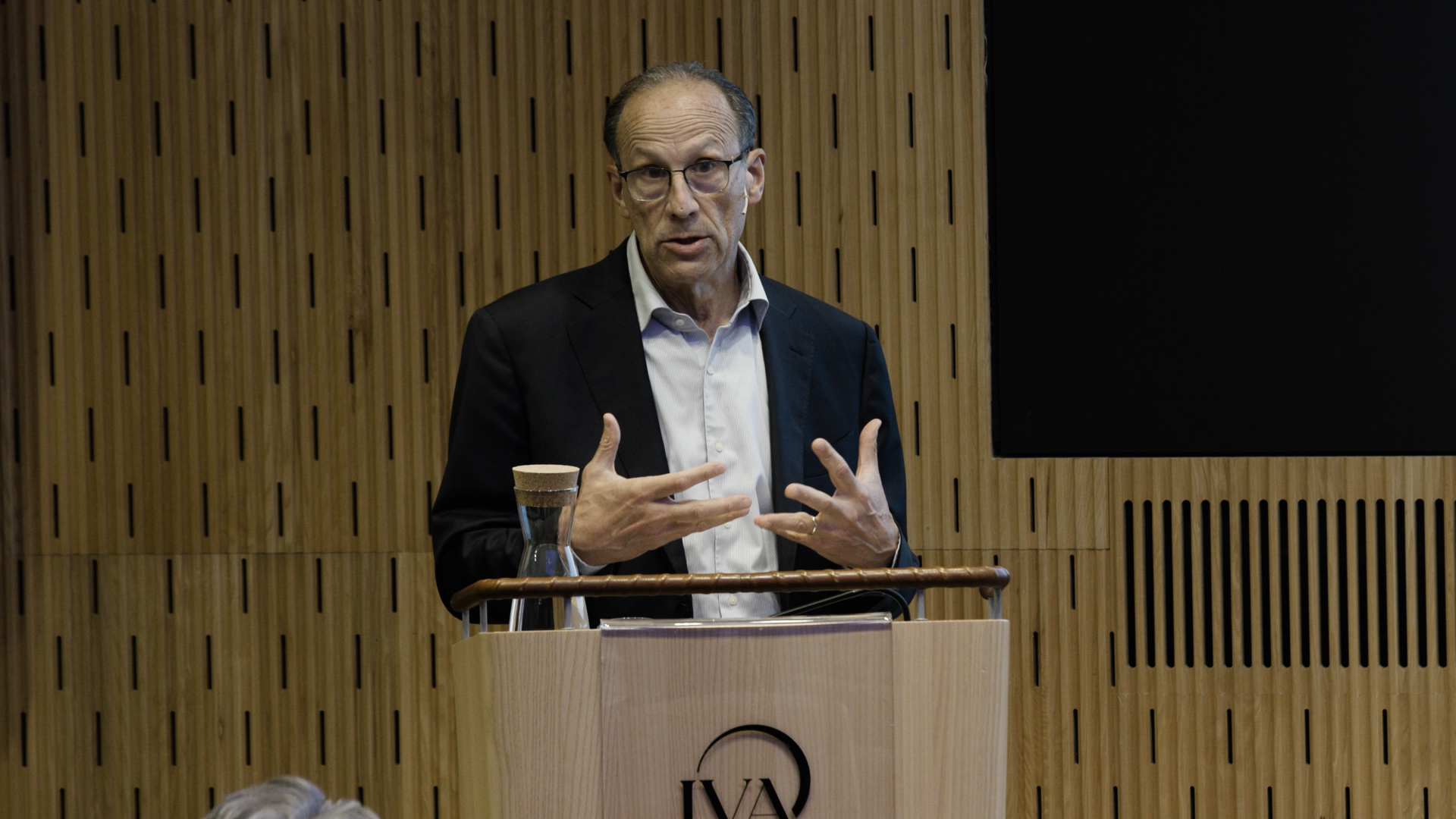
“In middle-market lending, credit is not migrating to more leveraged entities as it did pre-GFC,” he said.
The test will come in a downturn. Scharfstein estimated that business development companies could cut lending by about 14% under his baseline stress scenario as they seek to remain within leverage limits.
“My takeaway here is perhaps limited risk to banks, but there will be a contraction in credit,” he said.
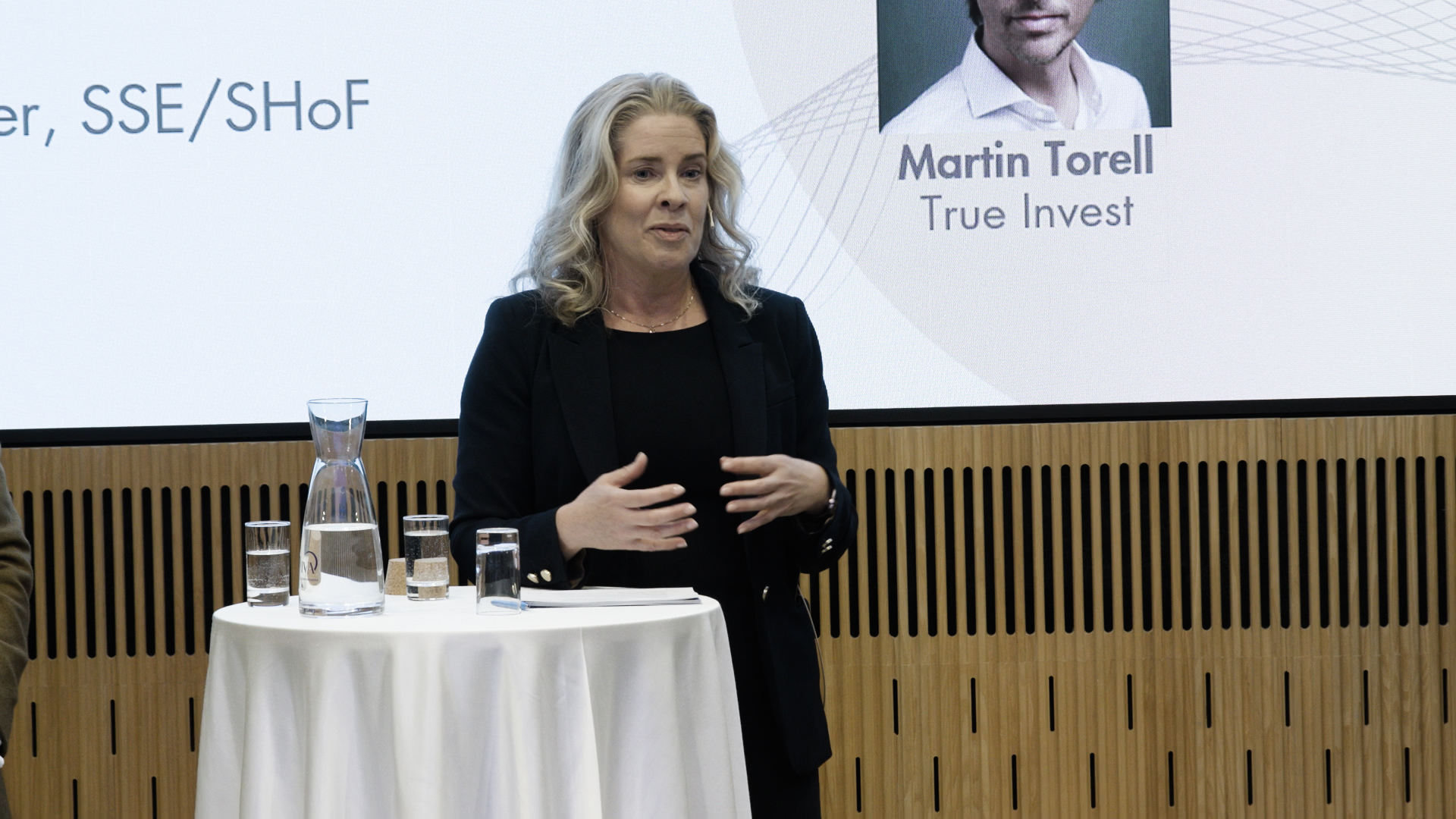
Aino Bunge (Riksbank) said private credit remains relatively small in Sweden but could amplify a broader downturn through its links with banks and other financial institutions.
“We haven’t seen it go through a severe downturn in the economy,” she said.
The Liquidity Promise
The tension becomes sharper as asset managers offer individual investors access to private assets through semi-liquid funds.
Christopher Bone (Partners Group) said private markets could provide diversification, but retail capital is more fluid than institutional money. Funds offering periodic withdrawals may therefore face redemption demands while holding loans with maturities of several years.
“It’s always a problem with retail money if you’re offering kind of short-term liquidity with illiquid assets,” Scharfstein said.
Panelists said product design, disclosure, and valuation practices would help determine whether investors understand that access to their money may be restricted during periods of market stress.
From Financial Engineering to Operations

Private equity faces a different version of the same problem: money is taking longer to come back.
Kaplan said U.S. buyout funds generally outperformed public markets until the 2019–2022 “vintages”. More recent funds hold unusually large shares of unrealized investments, leaving reported performance more dependent on valuations. Higher interest rates and elevated purchase multiples also leave managers with less scope to generate returns by adding debt.
“You really need to add operational value,” Kaplan said.
Jenny Askfelt Ruud (AP4) said manager specialization and operational capabilities would become more important. She also pointed to slower distributions and longer fundraising cycles, even for pension funds able to hold illiquid investments.
Secondary markets may offer one release valve. Gordon Bajnai (Campbell Lutyens) said they allow investors and fund managers to sell private assets when conventional exit routes are constrained.
The private-capital model still rewards patience. The question raised by the conference was how much patience its expanding group of investors will have.